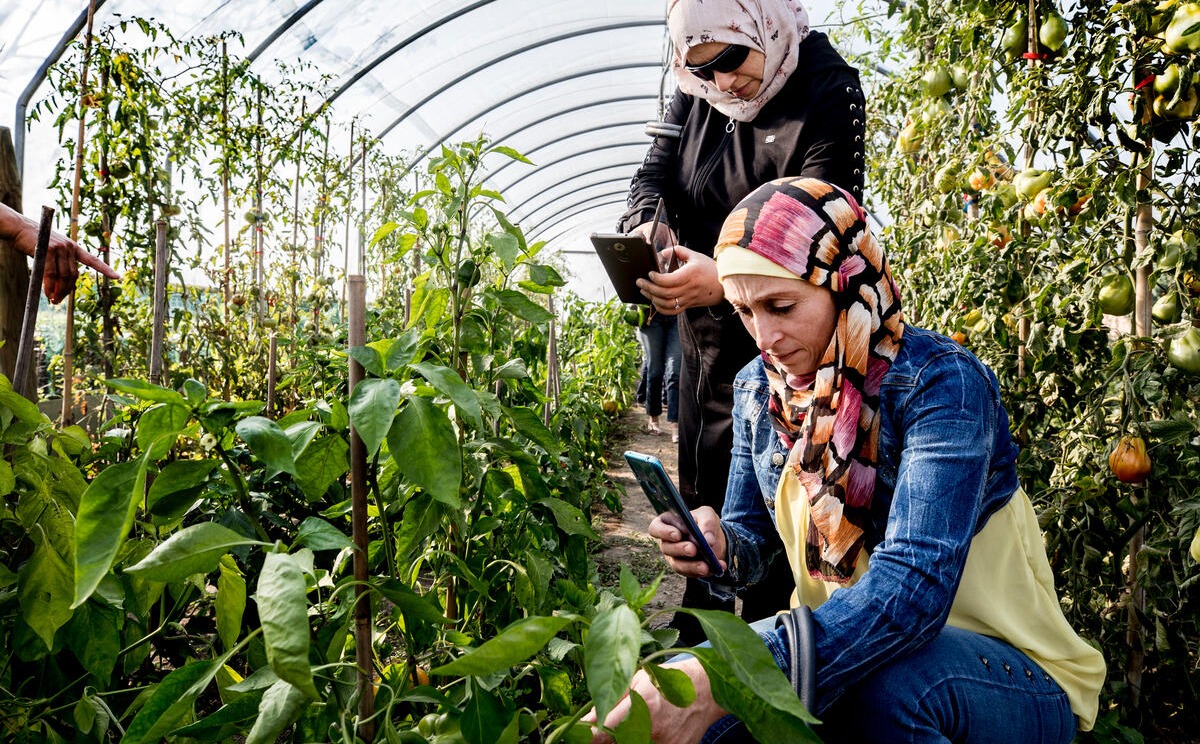
FAO Director-General QU Dongyu has called for faster efforts to bring agricultural science and innovation to people most in need, opening the fifth Science and Innovation Forum at the UN agency’s headquarters in Rome on Tuesday. According to FAO Newsroom, 645 million people worldwide continue to face hunger, underscoring the challenge of translating technological progress into improvements in food security.
The forum, running from 13 to 16 October 2026, forms part of the World Food Forum and brings together policymakers, researchers, innovators and other partners. Established by QU in 2022, it seeks to help countries turn scientific advances into practical improvements in food production, nutrition, resilience and rural livelihoods, while informing policy and investment decisions.
Access remains a central concern. FAO Newsroom reported that one-quarter of the world’s population experiences food insecurity and one-third cannot afford a healthy diet. Although biotechnology, remote sensing, robotics and artificial intelligence are becoming more widely available, the agency stressed that their benefits depend on affordability and adoption. It also noted that low- and middle-income countries account for 96 per cent of people without internet access, with hunger and food insecurity disproportionately concentrated in those countries.
QU urged countries to expand the reach of science and innovation, making inclusion of farmers a practical measure of success. Opening contributions addressed several routes towards that goal. Princess Basma bint Ali of Jordan, FAO’s regional goodwill ambassador for the Near East and North Africa, highlighted the importance of combining scientific and technological advances with traditional and local knowledge. Cuba’s science minister, Armando Rodríguez Batista, discussed how ministries could help research deliver benefits for farmers and consumers.
The programme includes plenary discussions and technical sessions on science communication, artificial intelligence governance, climate adaptation, One Health and innovative financing. Joint sessions with the World Food Forum Youth Initiative will cover careers, research, entrepreneurship and innovation. The Young Scientists Group will also present experiences of young women working in agrifood systems in conflict settings and launch its report, as the forum explores partnerships to extend the practical reach of agricultural research.